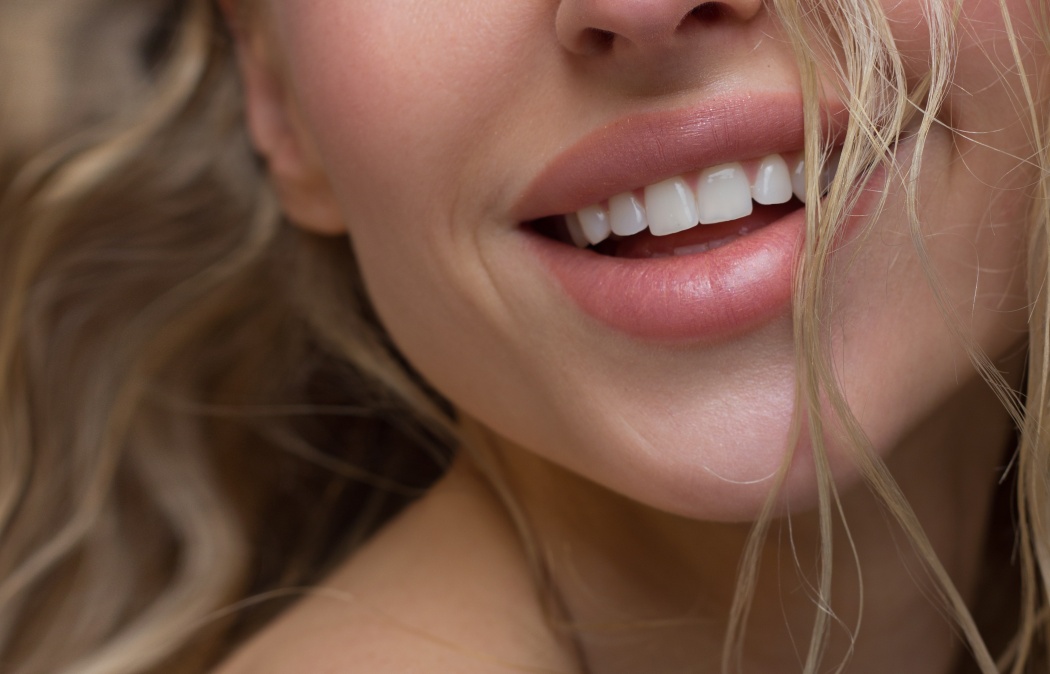
With summer approaching, many people start thinking about their smiles. Weddings, graduations, vacations, and family photos fill the calendar—and yellowed or stained teeth can make you self-conscious in moments you want to remember with confidence. If you’ve been considering teeth whitening, you’ve probably noticed countless options lining drugstore shelves promising dramatic results. But how do these products compare to professional whitening, and which approach actually delivers the bright smile you’re hoping for?
At Wauwatosa Family Dental, we help patients throughout Wauwatosa, Brookfield, and the Milwaukee area achieve whiter smiles using professional-grade whitening systems. Understanding how different whitening approaches work—and their limitations—helps you make an informed choice about the best path to a brighter smile.
Why Teeth Lose Their Brightness
Before exploring whitening options, it helps to understand what causes discoloration in the first place. Teeth stain through two primary mechanisms, and different whitening approaches address them differently.
- Extrinsic stains accumulate on the outer enamel surface. Coffee, tea, red wine, berries, tomato sauce, and tobacco are common culprits. These surface stains respond relatively well to whitening toothpastes and basic whitening products.
- Intrinsic stains exist within the tooth structure itself. Aging naturally darkens teeth as enamel thins and the yellowish dentin beneath becomes more visible. Certain medications, excessive fluoride exposure during development, and dental trauma can also cause intrinsic discoloration. These deeper stains require stronger whitening agents that penetrate beyond the surface.
Most adults have some combination of both stain types, which is why surface-level products often disappoint—they address only part of the problem.
What Store-Bought Products Actually Do
Drugstore whitening products have improved over the years, but they still face fundamental limitations.
- Whitening toothpastes contain mild abrasives and low concentrations of whitening agents like hydrogen peroxide. They can help remove surface stains and prevent new ones from accumulating, but they lack the strength to brighten teeth significantly or address intrinsic discoloration. Think of them as maintenance rather than transformation.
- Whitening strips deliver higher peroxide concentrations than toothpastes and can produce noticeable results for some users. However, the one-size-fits-all strips don’t conform precisely to tooth surfaces, often resulting in uneven whitening—brighter centers with still-stained edges. The peroxide concentration, while higher than toothpaste, remains well below professional-grade levels.
- Whitening trays from drugstores suffer similar fit issues. Generic trays allow whitening gel to contact gums, causing irritation, while failing to maintain consistent contact with all tooth surfaces.
- LED whitening devices marketed for home use claim to accelerate whitening, but research on their effectiveness remains mixed. Without professional-strength gel, the light component adds limited benefit.
The bottom line: store-bought products may produce modest improvement for mild surface staining, but they rarely deliver the dramatic transformation their packaging promises.
How Professional Whitening Differs
Professional whitening uses the same basic chemistry—peroxide-based bleaching agents—but with critical advantages that produce superior results.
- Higher concentrations. Professional whitening gels contain significantly higher peroxide concentrations than anything available over the counter. These stronger formulations penetrate deeper into enamel to address intrinsic staining that drugstore products can’t touch.
- Custom-fitted trays. For take-home professional whitening, we create trays from impressions of your actual teeth. These trays hold whitening gel in precise contact with every tooth surface while keeping the gel away from gums. The result is even whitening without the irritation generic trays cause.
- Supervised application. In-office whitening procedures use the highest-strength formulations under careful professional supervision. We protect your gums, monitor the process, and ensure the whitening agent contacts teeth optimally.
- Tailored treatment. Not all discoloration responds identically to whitening. Some stains require longer treatment times, while others respond quickly. Professional supervision allows treatment adjustment based on how your teeth actually respond.
In-Office vs. Take-Home Professional Whitening
Professional whitening comes in two primary forms, each with advantages depending on your timeline and preferences.
- In-office whitening delivers the fastest results. Treatment typically takes about an hour and produces immediately visible brightening—often several shades lighter in a single visit. This approach works well when you have an upcoming event and want dramatic improvement quickly. The higher concentrations used require professional application to protect soft tissues.
- Professional take-home whitening involves wearing custom trays filled with professional-strength gel for specified periods—typically 30 minutes to overnight, depending on the system. Results develop over one to two weeks of consistent use. While slower than in-office treatment, take-home whitening often produces comparable final results. Many patients appreciate the ability to touch up their whitening periodically using the same custom trays.
Some patients benefit from combining approaches—initial in-office treatment for immediate brightening followed by take-home trays for maintenance and periodic enhancement.
Managing Sensitivity
Tooth sensitivity during and after whitening is common, affecting many whitening patients to varying degrees. The peroxide penetrates enamel to break down stain molecules, temporarily affecting the tooth’s nerve response to temperature and pressure.
Professional whitening offers better sensitivity management than drugstore alternatives. We can adjust treatment timing, recommend desensitizing products before and during treatment, and choose whitening systems formulated to minimize sensitivity. Some professional systems incorporate potassium nitrate or fluoride to help block sensitivity pathways.
If you’ve avoided whitening due to sensitivity concerns, discussing this with our team helps identify approaches that balance effectiveness with comfort.
Setting Realistic Expectations
Whitening produces real improvement, but understanding its limitations prevents disappointment.
- Natural tooth color varies. Teeth have an inherent base color that whitening can brighten but not fundamentally change. A patient whose natural shade is warm ivory can expect significant brightening but shouldn’t expect to achieve brilliant blue-white.
- Restorations don’t whiten. Crowns, veneers, bonding, and tooth-colored fillings don’t respond to bleaching agents. If you have visible restorations, whitening your natural teeth may create color mismatches that require addressing.
- Certain stains resist whitening. Some intrinsic discoloration—particularly from tetracycline antibiotics—proves extremely difficult to whiten. We can assess your specific staining and provide honest guidance about likely results.
- Results aren’t permanent. Whitened teeth gradually accumulate new stains over months and years. Coffee drinkers, wine enthusiasts, and tobacco users will see faster re-staining. Periodic touch-up whitening maintains results long-term.
Is Whitening Right for You?
Whitening works well for most patients with healthy teeth and gums, but it’s not universally appropriate. Before proceeding, we’ll ensure you’re a good candidate.
Active cavities or gum disease should be addressed before whitening. Whitening agents can irritate already-compromised tissues and exacerbate sensitivity in decayed teeth. Treatment of underlying issues first ensures whitening is comfortable and effective.
We’ll also discuss your specific goals and evaluate your current tooth color, staining patterns, and any existing restorations. This assessment allows us to recommend the approach most likely to achieve your desired results.
Schedule Your Whitening Consultation
If you’re ready to brighten your smile before summer arrives, our team at Wauwatosa Family Dental can help you determine the best whitening approach for your situation. Whether you want the immediate impact of in-office whitening or prefer the flexibility of professional take-home trays, we’ll guide you toward the option that fits your goals, timeline, and budget.
Contact our office to schedule your consultation. We serve patients throughout Wauwatosa, Brookfield, and the greater Milwaukee area and look forward to helping you smile with confidence this summer.
Posted on behalf of
11904 W North Ave #105
Wauwatosa, WI 53226
Phone: (414) 454-0700
Email: office@wauwatosafamilydental.com
Opening Hours
Mon: 8:00am – 5:00pm
Tues: 8:00am – 5:00pm
Wed: 8:00am – 5:00pm
Thu: 8:00am – 5:00pm
Fri: 8:00am – 2:00pm